

How To Eat Sunflower Seeds: Easy, Healthy, and Delicious Ways
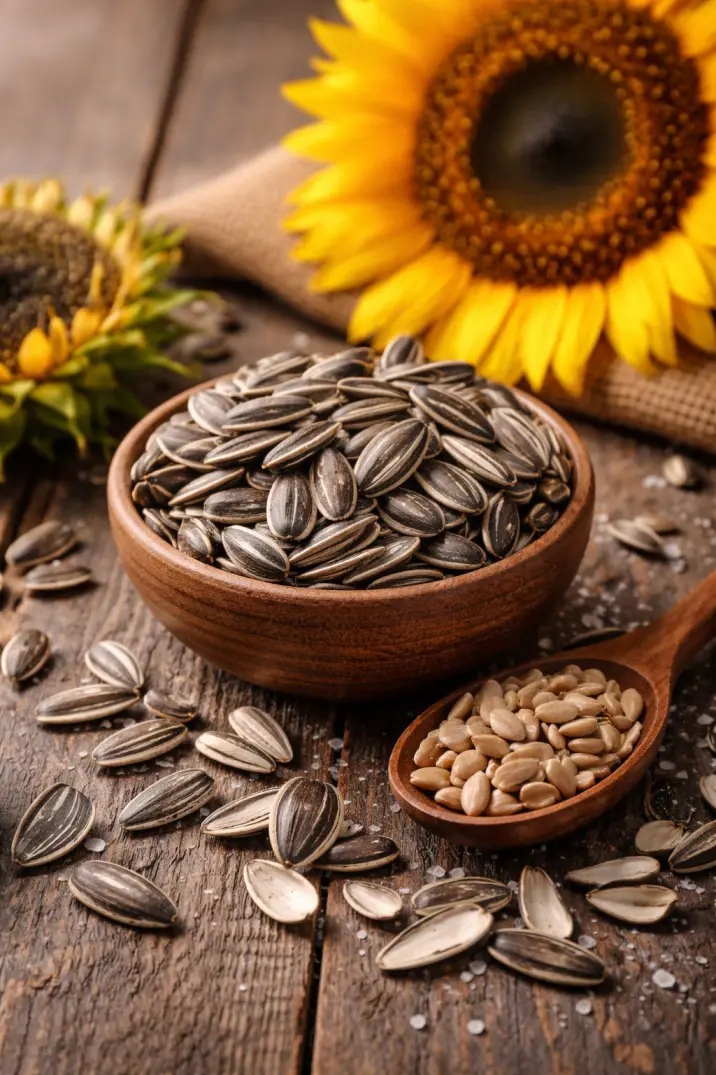
Sunflower seeds are tiny nutritional powerhouses packed with healthy fats, protein, fiber, vitamins, and minerals.
Harvested from the center of sunflower plants, these seeds are popular as a crunchy snack and as an ingredient in many dishes. Whether you prefer them raw, roasted, or blended into recipes, sunflower seeds are incredibly versatile.
If you’re wondering how to eat sunflower seeds in different ways, this guide will walk you through simple methods, creative serving ideas, and helpful tips to enjoy them daily.
Understanding the Two Types of Sunflower Seeds
Before eating sunflower seeds, it’s helpful to know the two common forms available.
In-shell sunflower seeds have a black and white striped shell that protects the edible kernel inside. These are commonly eaten as a snack where you crack the shell with your teeth and eat the seed.
Shelled sunflower seeds, also called sunflower kernels, come without the shell. They are ready to eat and perfect for adding to recipes, salads, or baked goods.
If you are new to sunflower seeds, starting with shelled seeds may be easier since they require no preparation.
Snacking on In-Shell Sunflower Seeds
One of the most traditional ways to eat sunflower seeds is directly from the shell.
Place a seed between your teeth and gently bite until the shell cracks. Use your tongue to separate the kernel from the shell and discard the shell. While this may take a little practice, many people enjoy it because it slows down snacking and makes it more enjoyable.
In-shell sunflower seeds are often lightly salted or roasted, which enhances their flavor. They are popular during outdoor activities, road trips, or while watching sports because they are easy to carry and snack on slowly.
Eating Shelled Sunflower Seeds as a Quick Snack
Shelled sunflower seeds are the simplest way to enjoy this nutritious food.
You can eat them straight from the package as a crunchy snack. Their mild, nutty flavor makes them satisfying without needing extra ingredients.
A small handful of sunflower kernels can provide healthy fats, plant-based protein, and energy, making them perfect for midday snacking. Many people also mix them with nuts, dried fruits, or seeds to create a homemade trail mix.
This method is convenient and requires no preparation, making it ideal for busy lifestyles.
Adding Sunflower Seeds to Breakfast Foods
Sunflower seeds can easily enhance breakfast dishes with extra texture and nutrients.
Sprinkle a spoonful of sunflower kernels over oatmeal, yogurt, or smoothie bowls. Their crunchy texture contrasts nicely with creamy foods while adding healthy fats and minerals like magnesium and vitamin E.
They also work well in breakfast cereals or granola. If you enjoy toast, try spreading peanut butter or almond butter and topping it with sunflower seeds for extra crunch.
This small addition can make breakfast more filling and nutritionally balanced.
Mixing Sunflower Seeds into Salads
Sunflower seeds are a fantastic topping for salads because they add both flavor and texture.
A handful of roasted sunflower kernels sprinkled over leafy greens creates a pleasant crunch and nutty taste. They pair especially well with spinach, kale, avocado, tomatoes, cucumbers, and roasted vegetables.
You can also combine them with other toppings such as pumpkin seeds, sesame seeds, or chopped nuts to create a nutrient-rich salad bowl.
Adding seeds to salads is an easy way to boost protein and healthy fats without changing the overall flavor of the dish.
Cooking with Sunflower Seeds
Sunflower seeds can be incorporated into cooked meals to enhance both taste and nutrition.
They can be stirred into rice dishes, grain bowls, or stir-fried vegetables for extra texture. Some people toast sunflower kernels lightly in a pan before adding them to meals, which intensifies their nutty flavor.
Sunflower seeds also work well in homemade veggie burgers, pasta dishes, or grain salads. When blended into sauces or pestos, they can even replace nuts for a budget-friendly alternative.
Cooking with sunflower seeds allows you to enjoy their flavor in a wide variety of savory dishes.
Using Sunflower Seeds in Baking
Another delicious way to eat sunflower seeds is by including them in baked goods.
Sunflower kernels can be mixed into bread dough, muffins, cookies, or granola bars. They add crunch and a mild nutty taste that pairs well with both sweet and savory recipes.
Many whole-grain breads include sunflower seeds on top or inside the dough for added texture and nutrients. You can also sprinkle them on homemade crackers or savory biscuits before baking.
This method is perfect for people who enjoy homemade baking while boosting the nutritional value of their treats.
Blending Sunflower Seeds into Spreads and Butters
Sunflower seeds can also be transformed into creamy spreads.
When blended in a food processor with a little oil and salt, sunflower seeds create a smooth sunflower seed butter. This spread has a similar texture to peanut butter but offers a slightly different nutty flavor.
Sunflower seed butter can be used on toast, in sandwiches, or blended into smoothies. It is also a popular alternative for people who avoid peanuts or tree nuts.
You can even mix sunflower butter with honey or cinnamon to create a naturally sweet spread.
Tips for Eating Sunflower Seeds Safely
While sunflower seeds are nutritious, a few tips can help you enjoy them in the best way.
Eat them in moderation since they are calorie-dense due to their healthy fat content. A small handful is usually enough for a snack.
If you are eating in-shell seeds, avoid swallowing the shells because they are difficult to digest. Always discard them properly.
Choosing unsalted or lightly salted varieties can also help control sodium intake while still enjoying the natural flavor of the seeds.
Final Thoughts
Was this article helpful?
Healthy Eating
How to Eat Pomegranate Seeds Effectively
Healthy Eating
How To Eat Papaya Seeds: Benefits, Tips & Easy Ways To Use Them
Healthy Eating
How To Eat Pumpkin Seeds: 10 Easy and Healthy Ways
Healthy Eating
How to Eat Flax Seeds Effectively
Healthy Eating
15 Delicious Ways to Eat Chia Seeds and Common Mistakes to Avoid
Healthy Eating