

How to Eat Pomegranate Seeds Effectively
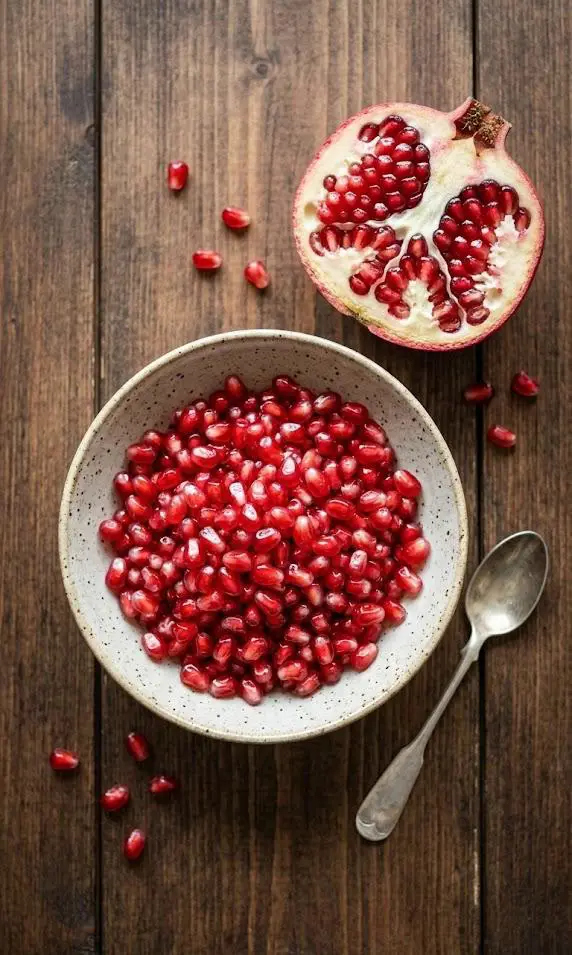
Pomegranate seeds, also known as arils, are small, juicy, and bursting with flavor. Beyond their delicious taste, they are packed with antioxidants, vitamins, and minerals, making them a superfood worth including in your diet.
But many people are unsure how to eat them properly or incorporate them into meals. This guide will show you multiple ways to enjoy pomegranate seeds safely while maximizing their health benefits.
Understanding Pomegranate Seeds
Before diving into how to eat them, it’s essential to know what pomegranate seeds are. Each seed is encased in a juicy, red aril that contains the seed kernel. While the aril is sweet and tart, the kernel is edible and contains fiber. Eating pomegranate seeds gives you a combination of juicy sweetness and a satisfying crunch.
Health Highlight: Pomegranate seeds are rich in vitamin C, vitamin K, folate, and potassium. They also contain polyphenols, which are powerful antioxidants that support heart health and fight inflammation.
Selecting the Best Pomegranates
Choosing a ripe pomegranate makes a huge difference in flavor and ease of eating. Look for fruits that are:
-
Heavy for their size
-
Deep red or reddish-purple in color
-
Firm, with a smooth skin
-
Free from cracks or mold
Avoid overly soft or blemished pomegranates, as they may have dried-out seeds or a fermented taste.
How to Open a Pomegranate Without Making a Mess
One common challenge is opening a pomegranate without splattering juice everywhere. Here’s a step-by-step method:
-
Score the fruit: Using a sharp knife, cut off the crown and lightly score the skin from top to bottom into sections.
-
Break apart: Gently pull the sections apart.
-
Submerge and release seeds: Fill a bowl with water, break the pomegranate under water, and separate the seeds from the peel. The seeds sink while the peel and membrane float.
-
Strain and enjoy: Remove the floating pieces, drain the seeds, and they are ready to eat.
Pro Tip: Doing this in water reduces juice splatter and makes cleanup much easier.
Eating Pomegranate Seeds Raw
The simplest and healthiest way to enjoy pomegranate seeds is raw. You can:
-
Eat them by the handful as a snack
-
Sprinkle them over salads for sweetness and crunch
-
Add them to yogurt or oatmeal for breakfast
Raw seeds retain their maximum nutritional value, especially antioxidants and vitamin C.
Incorporating Pomegranate Seeds in Meals
Pomegranate seeds are versatile and can enhance various dishes:
-
Salads: Toss seeds into green salads, grain bowls, or chickpea salads for a burst of flavor.
-
Smoothies: Blend a handful of seeds with other fruits for a nutrient-rich smoothie.
-
Desserts: Garnish cakes, puddings, or ice creams with pomegranate seeds for color and crunch.
-
Salsas & Sauces: Mix seeds into salsas or sauces for tangy sweetness.
Their tart-sweet flavor pairs well with both savory and sweet dishes.
Cooking with Pomegranate Seeds
While raw seeds are most common, they can also be used in cooking:
-
Roasting: Add seeds to roasted vegetables during the last few minutes of baking.
-
Sauces & Glazes: Cook seeds into a pomegranate reduction to drizzle over meat, poultry, or roasted vegetables.
-
Baking: Fold seeds into muffins or bread for texture and natural sweetness.
Note: Heating can reduce some antioxidants, so balance raw and cooked uses.
Fun Ways to Eat Pomegranate Seeds
For those looking for creative ideas:
-
Frozen snack: Freeze seeds and enjoy them like tiny sorbet bites.
-
Infused water: Add seeds to water or sparkling water for a refreshing drink.
-
Trail mix: Combine seeds with nuts and dried fruits for a crunchy snack mix.
These fun variations make it easier to include pomegranate seeds in your daily diet.
How Many Pomegranate Seeds Should You Eat Daily?
Moderation is key. A typical serving is about ½ cup (87 grams) of seeds, which provides a healthy dose of fiber, vitamins, and antioxidants. Eating too many at once can cause mild digestive discomfort due to the fiber content, so spread consumption throughout the day if needed.
Tips to Maximize Benefits
-
Eat seeds with other fruits and vegetables to boost nutrient absorption.
-
Store seeds in an airtight container in the fridge for up to a week.
-
Freeze extra seeds to maintain freshness and have them ready for smoothies or desserts.
Caution for Certain Health Conditions
Pomegranate seeds are generally safe, but:
-
Those on blood-thinning medication should consult a doctor, as pomegranate may interact with certain drugs.
-
People with allergies to pomegranate should avoid seeds.
Conclusion
Pomegranate seeds are a delicious and nutrient-dense addition to any diet. Whether eaten raw, added to meals, or used in creative recipes, they bring color, flavor, and a boost of health benefits. By learning how to open, store, and enjoy them properly, you can make pomegranate seeds a daily superfood habit.
Was this article helpful?

Healthy Eating
Homemade Lemonade Recipe: Fresh, Easy & Perfectly Balanced
Healthy Eating
Homemade Ranch Seasoning Recipe
Healthy Eating
Homemade Pizza Dough Recipe: Easy, Soft & Crispy
Healthy Eating
Homemade Rice Crispy Treats: A Sweet and Crunchy Delight

Healthy Eating
How to Make Homemade Garlic Bread

Healthy Eating