
How to Eat Flax Seeds Effectively
Flax seeds, tiny golden or brown seeds, are nutritional powerhouses packed with omega-3 fatty acids, fiber, and antioxidants. They are well-known for promoting heart health, aiding digestion, and supporting weight management.
However, eating flax seeds incorrectly can limit nutrient absorption or even cause digestive discomfort. In this guide, we’ll explore how to eat flax seeds safely, creatively, and effectively to maximize their benefits.
1. Whole Flax Seeds vs. Ground Flax Seeds
Flax seeds can be consumed either whole or ground, but there’s a major difference in nutrient availability.
-
Whole Flax Seeds:
Whole seeds have a hard outer shell, making it difficult for the body to digest and absorb their nutrients. They may pass through the digestive system mostly intact. -
Ground Flax Seeds:
Grinding flax seeds breaks the outer shell, allowing the body to absorb omega-3 fatty acids, lignans, and fiber efficiently. Ground flax seeds can be added to smoothies, yogurt, oatmeal, or baked goods.
Tip: Buy pre-ground flax seeds or grind them in a coffee grinder just before use to maintain freshness and nutritional value.
2. How to Eat Flax Seeds Raw
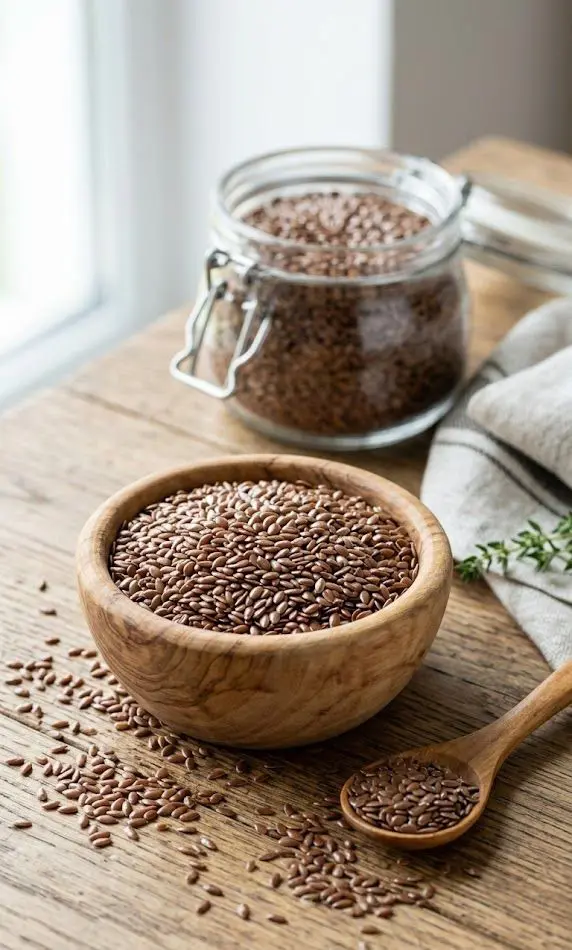
Raw flax seeds can be added to various meals without cooking. Here are some ways:
-
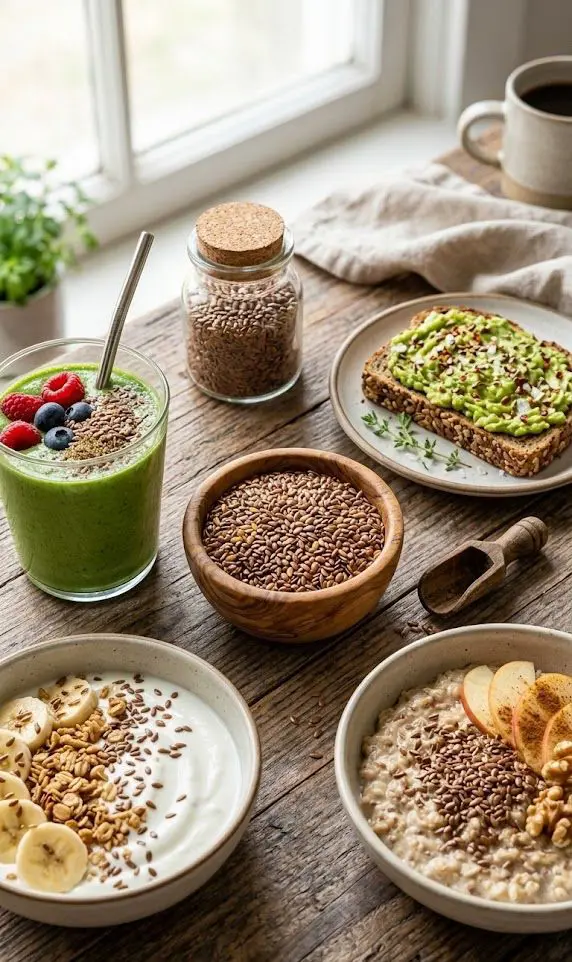
Sprinkle on oatmeal, cereals, or yogurt.
-
Blend into smoothies for a nutty flavor and thick texture.
-
Mix with salad dressings for added crunch.
Caution: Consuming large quantities of raw flax seeds at once may cause bloating or digestive discomfort. Start with 1–2 teaspoons per day and increase gradually.
3. Baking and Cooking with Flax Seeds
Flax seeds are versatile in cooking and baking.
-
Baking: Add 2–3 tablespoons of ground flax seeds to muffins, bread, or pancakes. Flax seeds can also act as an egg substitute when mixed with water (1 tablespoon flax + 3 tablespoons water = 1 egg).
-
Cooking: Sprinkle ground flax seeds over soups, stews, or casseroles just before serving. Avoid high heat for prolonged periods, as it may slightly degrade omega-3 fatty acids.
Pro Tip: Combine flax seeds with other seeds like chia or pumpkin for enhanced texture and nutrition in baked goods.
4. Soaking Flax Seeds
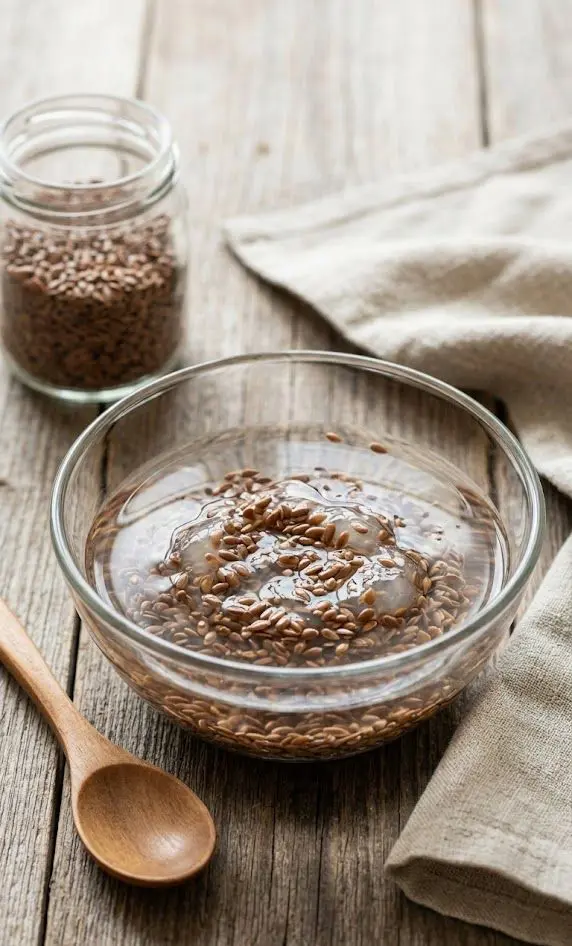
Soaking flax seeds makes them gelatinous and easier to digest. This is especially beneficial for people with sensitive digestive systems.
-
Soak 1–2 tablespoons of whole or ground flax seeds in a cup of water for 6–8 hours or overnight.
-
Drink the gel directly or mix it into smoothies, soups, or oatmeal.
Health Tip: Flaxseed gel can also be used as a natural thickener in recipes or as a plant-based egg alternative in vegan cooking.
5. Flax Seed Oil: A Convenient Alternative
Flax seed oil is extracted from flax seeds and contains concentrated omega-3 fatty acids. It is a convenient way to reap the benefits without chewing seeds.
-
Use as a salad dressing or drizzle over cooked vegetables.
-
Avoid using flax seed oil for frying, as heat can degrade its beneficial nutrients.
Tip: Store flax seed oil in a dark, cool place to prevent oxidation. Refrigeration is ideal.
How Much Flax Seed Should You Eat Daily?
Moderation is key. Recommended intake varies depending on form:
-
Ground Flax Seeds: 1–2 tablespoons per day.
-
Flax Seed Oil: 1–2 teaspoons per day.
Excessive consumption can lead to digestive issues, including bloating, gas, or diarrhea. Drinking plenty of water helps mitigate these effects.
What to Avoid When Eating Flax Seeds
-
Raw Whole Flax Seeds in Excess: Hard to digest and low in bioavailability.
-
High Heat Cooking for Long Periods: Can destroy omega-3 fatty acids.
-
Flax Seed Supplements Without Medical Advice: Certain medications or conditions may interact with flax seeds, such as blood thinners or thyroid medications.
Creative Ways to Incorporate Flax Seeds
-
Smoothie Bowls: Blend 1 tablespoon of ground flax seeds into your favorite smoothie bowl.
-
Energy Balls: Mix ground flax seeds with oats, peanut butter, and honey for a healthy snack.
-
Salads: Add whole or ground flax seeds to fresh salads for a crunchy texture.
-
Soups & Sauces: Stir in ground flax seeds to thicken soups, stews, or sauces naturally.
Final Thoughts
Flax seeds are an excellent addition to a balanced diet, offering multiple health benefits from heart health to digestion support. The key is to consume them in forms your body can easily absorb, like ground or soaked, and to avoid excessive intake. Experiment with different ways to eat flax seeds—whether raw, baked, soaked, or as oil—to find what fits your lifestyle best.
With consistent, mindful consumption, flax seeds can enhance overall nutrition and contribute to long-term wellness.
Was this article helpful?

Healthy Eating
15 Delicious Ways to Eat Chia Seeds and Common Mistakes to Avoid
Healthy Eating
20 Proper Foods For Weight Gain

Healthy Eating
What Happens When You Take Olive Oil Daily: Benefits, Side Effects, and How to Use It
Healthy Eating
Cancer-Fighting Foods: A Natural Approach to Boosting Your Health
Healthy Eating
Alkaline Diet: Foods to Eat and Avoid

Healthy Eating