

How To Eat Papaya Seeds: Benefits, Tips & Easy Ways To Use Them
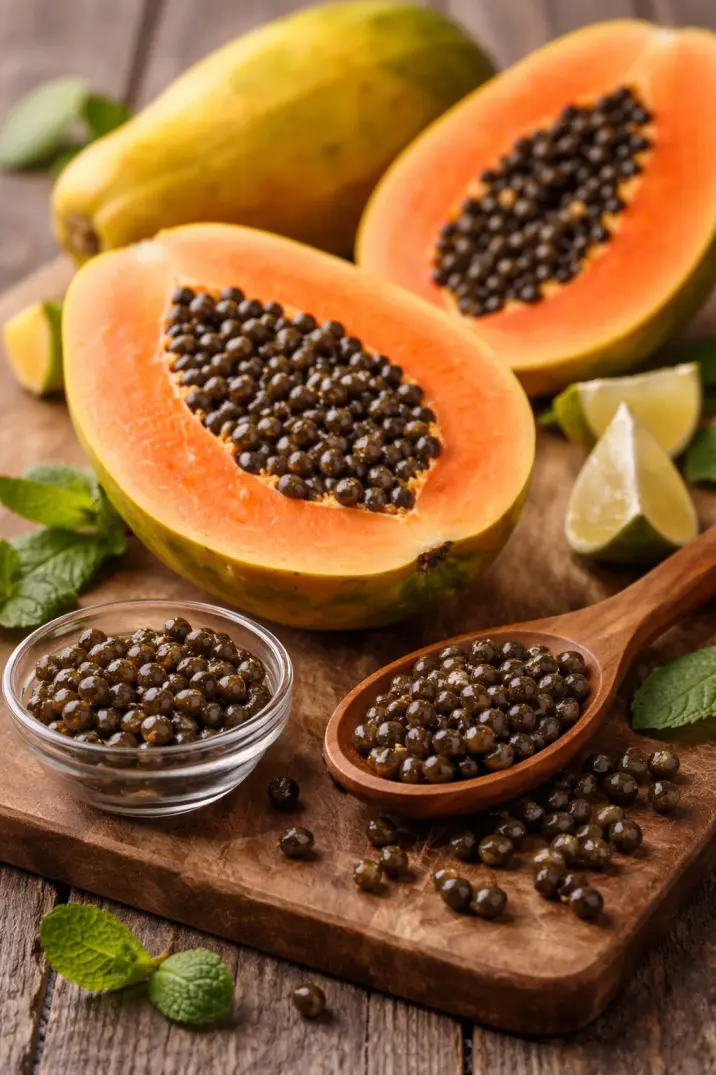
Most people enjoy the sweet, tropical taste of papaya but often throw away the small black seeds hidden inside the fruit. Surprisingly, these tiny seeds are edible and packed with nutrients. Learning how to eat papaya seeds can help you unlock a range of health benefits while reducing food waste.
Papaya seeds have a bold, peppery flavor and contain beneficial compounds that may support digestion, gut health, and overall wellness. While their taste might be strong at first, incorporating them into meals in small amounts makes them easier to enjoy. In this guide, we’ll explore how papaya seeds taste, their potential benefits, and several easy ways to add them to your diet.
What Do Papaya Seeds Taste Like?
Before eating papaya seeds, it helps to understand their flavor. Unlike the sweet fruit, papaya seeds have a sharp, slightly bitter taste with a pepper-like kick.
Their flavor is often compared to black pepper or mustard seeds. Because of this spicy taste, papaya seeds work well as a seasoning or ingredient rather than being eaten in large amounts on their own.
The texture is slightly crunchy when fresh and becomes crisp when dried. Some people enjoy them raw straight from the fruit, while others prefer to grind or mix them into dishes to soften the flavor.
Nutritional Benefits of Papaya Seeds
Papaya seeds contain several beneficial nutrients and plant compounds that support health. Although they should be eaten in moderation, they can be a valuable addition to a balanced diet.
Rich in antioxidants
Papaya seeds contain natural antioxidants that help protect the body from oxidative stress and support overall cellular health.
Supports digestion
These seeds contain enzymes and fiber that may help improve digestion and support gut health.
Natural antibacterial properties
Research suggests papaya seeds may contain compounds that help fight certain harmful bacteria.
Healthy fats and fiber
Papaya seeds provide small amounts of healthy fats and dietary fiber that support heart health and digestion.
Because of their potency, it’s best to start with small amounts, such as half a teaspoon per day, and gradually increase if desired.
How To Eat Papaya Seeds Raw
One of the simplest ways to eat papaya seeds is to consume them fresh from the fruit.
After cutting open a ripe papaya, scoop out the seeds using a spoon. Rinse them gently under water to remove the gelatinous coating surrounding the seeds.
You can then eat a small amount directly. Many people swallow them whole, while others chew them for a stronger peppery flavor.
If you are new to papaya seeds, start with a few seeds at a time. Their taste can be intense, but your palate may adapt over time.
Blend Papaya Seeds Into Smoothies
Adding papaya seeds to smoothies is one of the easiest and most enjoyable ways to consume them.
The sweetness of fruits like bananas, mangoes, or pineapple helps balance the seeds’ strong flavor. Simply add a small spoonful of fresh or dried papaya seeds into your blender along with your usual smoothie ingredients.
This method allows you to benefit from the nutrients without tasting the bitterness too strongly. Smoothies are also a great option for people who don’t enjoy chewing the seeds directly.
Use Papaya Seeds As A Pepper Substitute
Because papaya seeds have a naturally peppery taste, they can be used as a healthy alternative to black pepper in many dishes.
To do this, dry the seeds by spreading them on a plate or baking tray for a few days until they are completely dry. Once dried, grind them using a spice grinder or mortar and pestle.
The ground seeds can then be sprinkled over salads, soups, roasted vegetables, eggs, or grilled foods. This unique seasoning adds both flavor and nutritional value to everyday meals.
Add Papaya Seeds To Salad Dressings
Papaya seeds can also be blended into homemade salad dressings for a tangy, slightly spicy twist.
Try mixing papaya seeds with olive oil, lemon juice, honey, garlic, and a pinch of salt. Blend the ingredients together until smooth.
This dressing pairs beautifully with green salads, avocado bowls, and tropical fruit salads. The seeds add texture and a mild peppery kick that enhances the overall flavor.
Dry And Store Papaya Seeds For Later Use
If you don’t plan to eat papaya seeds immediately, you can easily store them for future use.
First rinse the seeds thoroughly to remove the sticky coating. Spread them out on a tray or paper towel and allow them to air-dry for several days.
Once fully dry, store the seeds in an airtight container in a cool, dry place. You can grind them when needed or add them directly to recipes.
Dried papaya seeds may last for several months if stored properly, making them a convenient pantry ingredient.
How Many Papaya Seeds Should You Eat
Although papaya seeds offer potential health benefits, moderation is important.
Experts generally recommend consuming small amounts, such as ½ to 1 teaspoon per day. Eating excessive quantities may cause digestive discomfort due to the strong compounds present in the seeds.
Pregnant women or people with certain health conditions should consult a healthcare professional before consuming papaya seeds regularly.
By keeping portions small, you can safely enjoy their benefits without overwhelming your digestive system.
Final Thoughts
Papaya seeds are an often-overlooked part of the fruit that can offer surprising health benefits. With their bold, peppery flavor and nutritional properties, they can be used in a variety of creative ways.
From blending them into smoothies to grinding them as a spice or mixing them into salad dressings, learning how to eat papaya seeds can help you get more value from this tropical fruit. The key is to start with small amounts and experiment with different recipes until you find a method you enjoy.
Instead of throwing them away next time you cut open a papaya, consider saving the seeds and adding this unique superfood to your daily diet.
Was this article helpful?

Healthy Eating
Homemade Lemonade Recipe: Fresh, Easy & Perfectly Balanced
Healthy Eating
Homemade Ranch Seasoning Recipe
Healthy Eating
Homemade Pizza Dough Recipe: Easy, Soft & Crispy
Healthy Eating
Homemade Rice Crispy Treats: A Sweet and Crunchy Delight
Healthy Eating
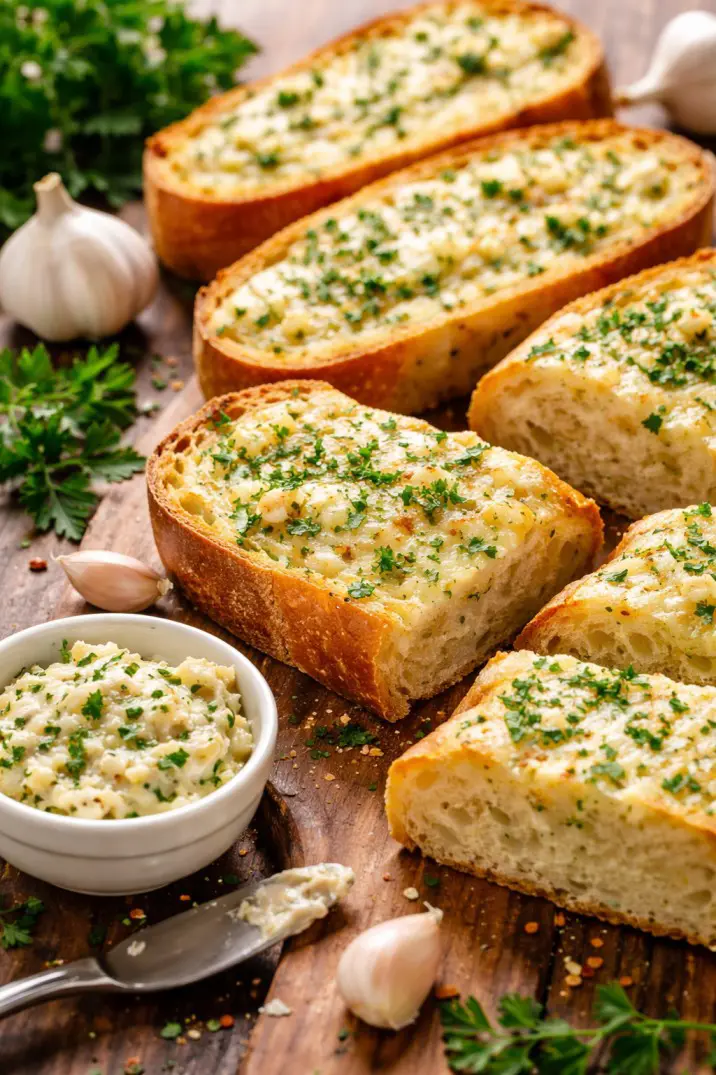
How to Make Homemade Garlic Bread

Healthy Eating