What to Eat After Food Poisoning: A Guide for Recovery
Written by Kellie Blake, Designation: RDN, LD, IFNCP
Reviewed by Rebecca Washuta, MS, CNS, LDN
Last Updated On Nov 10, 2025
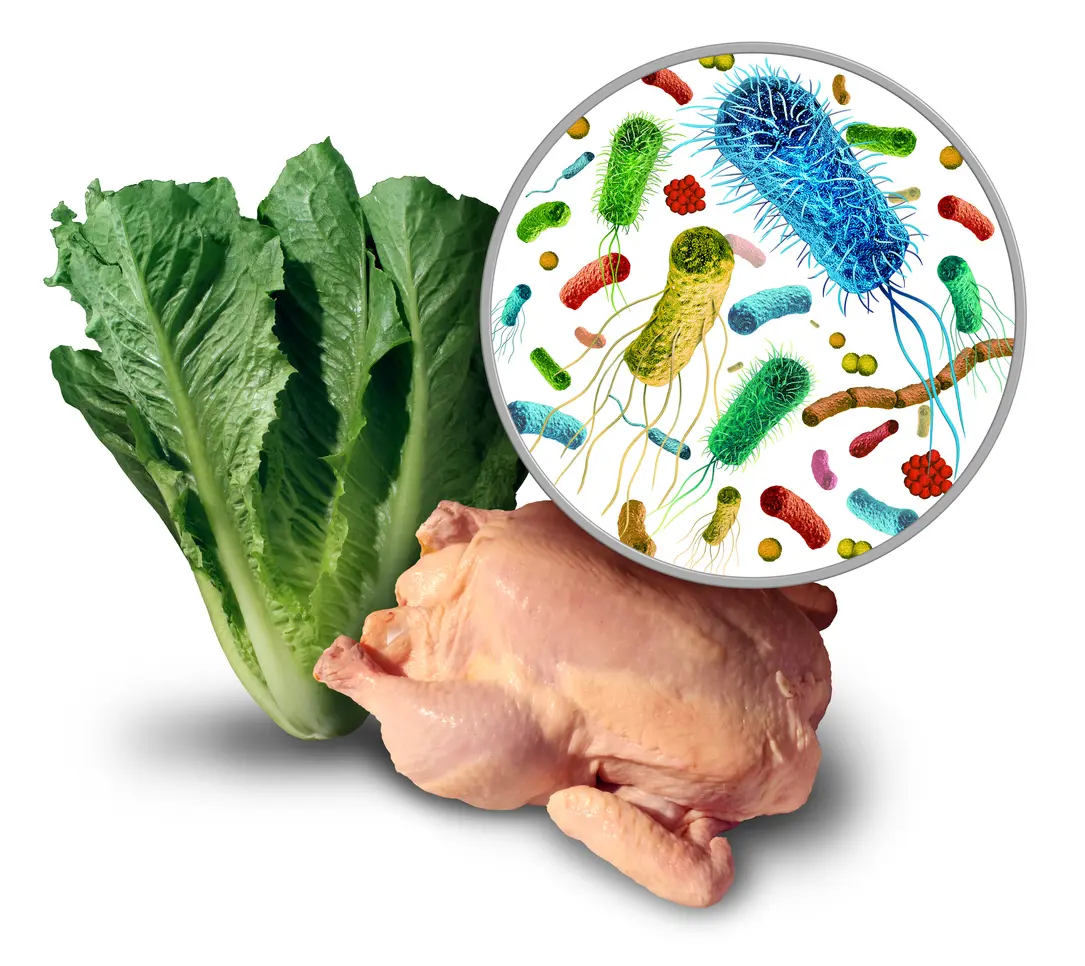
Most of us have likely eaten something that tasted fine, only to end up in the bathroom wondering what went wrong. Food poisoning occurs when you eat a food that contains a harmful substance (such as a bacteria, virus, or toxin), and it affects millions of people every year. [1] FDA. What You Need to Know About Food Borne Illnesses. 2022.
Food poisoning can leave you feeling off for a day or two. Although there’s no magic bullet for recovery, paying attention to what you eat and drink can help restore lost electrolytes, ease your transition back to a normal diet, and get you back to your normal routine. [3] Mayo Clinic. Food Poisoning (foodborne illness). 2025. , [4] Cleveland Clinic. How Long Food Poisoning Lasts and What To Do About It. 2022.
In this article, we’ll help you understand what causes food poisoning, what to avoid, and what foods to eat after food poisoning, and also when you may need to see a doctor.
Understanding Food Poisoning
When foods are mishandled, they can become tainted. From the farms and factories where they’re grown and processed to restaurants and home kitchens where they’re prepared, no food is immune to contamination.
The main culprits in food poisoning include bacteria (such as Salmonella, E. coli, and Listeria), viruses (like norovirus), parasites, and chemicals. [2] NIH. Symptoms & Causes of Food Poisoning. 2019.
Some of the most common reasons you get food poisoning include: [2] NIH. Symptoms & Causes of Food Poisoning. 2019. , [3] Mayo Clinic. Food Poisoning (foodborne illness). 2025.
- Improper cooking: Foods aren’t heated to or held at the right temperature.
- Poor hygiene: Food handlers are not washing their hands properly or cleaning kitchen equipment.
- Inappropriate storage: Foods aren’t put in the refrigerator or freezer at the right time, foods that have microbes are stored in close proximity to ready-to-eat foods, or foods are not stored the right way.
- Soiled food: Microbes can multiply in foods that aren’t meant to be heated.
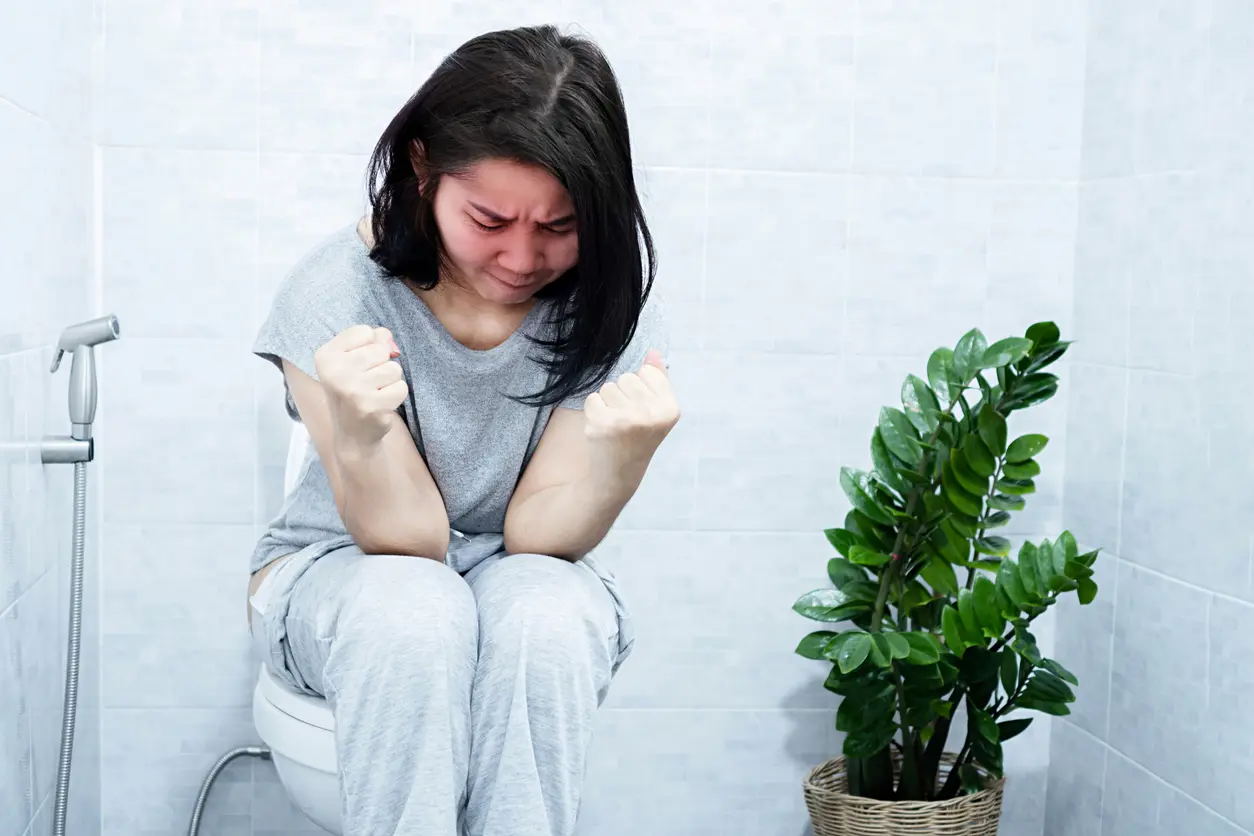
You can suffer a range of mild to severe food poisoning symptoms that last from 12 to 48 hours, including: [2] NIH. Symptoms & Causes of Food Poisoning. 2019. , [4] Cleveland Clinic. How Long Food Poisoning Lasts and What To Do About It. 2022.
- Nausea
- Vomiting
- Diarrhea, including bloody diarrhea
- Stomach cramps or pain
- Fever
- Headache
- Weakness
You can recover from food poisoning with rest and rehydration. Your body expends a lot of energy fighting off and repairing itself from food poisoning, and vomiting and diarrhea can trigger electrolyte and fluid losses. Making sure you get enough rest and staying hydrated after a bout of food poisoning will allow your body to heal, help your immune system work well, and prevent more severe complications. [3] Mayo Clinic. Food Poisoning (foodborne illness). 2025.
What to Eat After Food Poisoning
Although vomiting, nausea, diarrhea, and stomach pain can make eating and drinking difficult, the first step after food poisoning is to stay hydrated. Getting enough fluids will prevent dehydration and replace lost electrolytes to ease your symptoms and promote faster recovery.
The First 24 Hours—Start with Liquids
Dehydration is a serious, but common side effect of food poisoning that can cause symptoms, such as: [2] NIH. Symptoms & Causes of Food Poisoning. 2019.
- Extreme thirst
- Dry mouth
- Dark yellow urine or not urinating as often
- Feeling light-headed
- Dizziness
- Passing out
- Fatigue
- Dry skin
- Sunken eyes or cheeks
- Headache
- Confusion
- Rapid heartbeat
- Skin that doesn’t flatten to normal when pinched
Focus on rehydration after food poisoning by drinking liquids, including: [2] NIH. Symptoms & Causes of Food Poisoning. 2019.
- Water
- Clear broths (chicken, beef, vegetable, or bone)
- Fruit juices diluted with water
If you’re vomiting, avoid solid foods and take small sips of clear liquids as often as you can. [2] NIH. Symptoms & Causes of Food Poisoning. 2019.
If you have severe food poisoning, you may benefit from electrolyte drinks called oral rehydration solutions. [2] NIH. Symptoms & Causes of Food Poisoning. 2019. Oral rehydration solutions (ORS) have specific amounts of water, salt (sodium), potassium, and sugar (glucose) to help your gut absorb more fluid. [5] Freige C, Spry C. Oral Rehydration Solutions versus Drink of Choice in Children with Dehydration: A Review of Clinical Effectiveness . Ottawa (ON): Canadian Agency for Drugs and Technologies in Health; 2020 Mar 2. ORS, such as Pedialyte or NormaLyte, can be found in most grocery stores, but you can also prepare them at home. You can make the World Health Organization ORS by mixing: [6] World Health Organization. The Treatment of Diarrhorea. 2005.
- 1 liter (4 cups) of clean water
- ½ teaspoon of salt
- 6 teaspoons of sugar
The Next 1-2 Days—Gentle Foods (BRAT Diet)
Once you have stopped vomiting, it’s time to try solid foods. Rather than diving right back into your regular diet, the best foods for upset stomach after food poisoning are easy-to-digest, bland foods that are gentle on your stomach and intestines. The BRAT diet for food poisoning includes: [7] Cleveland Clinic. What To Eat When You Have Diarrhea. 2023.
- Bananas
- Rice (white)
- Applesauce
- Toast (white)
These foods are beneficial because they’re not spicy, and are low in fiber and fat, so they don’t irritate your gut. [7] Cleveland Clinic. What To Eat When You Have Diarrhea. 2023. Other foods you could eat 1 to 2 days after food poisoning include: [7] Cleveland Clinic. What To Eat When You Have Diarrhea. 2023.
- Boiled potatoes
- Plain crackers
- Oatmeal
- Skinless baked chicken
Reintroducing Nutrient-Rich Foods
Staying hydrated and using the BRAT diet for a couple of days can help settle your stomach and pave the way for normal eating. Slowly adding nutrient-rich foods will help you continue to recover and restore your strength and vitality.
When adding in nutrient-rich foods, start with: [8] Harvard Health. Creating Balanced, Healthy Meals From Low Calorie, Nutrient-Dense Foods. 2025. , [9] Yadav MK, Kumari I, Singh B, Sharma KK, Tiwari SK. Probiotics, prebiotics and synbiotics: Safe options for next-generation therapeutics. Appl Microbiol Biotechnol. 2022;106(2):505-521. doi:10.1007/s00253-021-11646-8
- Plain, soft proteins such as chicken, turkey, fish, eggs, or tofu to support muscle health, gut repair, and immune system function
- Steamed or boiled vegetables, such as carrots, squash, and zucchini, to gain valuable vitamins and minerals
- Fruits such as bananas, berries, and melons for their natural sugars, fiber, and antioxidants
- Complex carbohydrates such as oatmeal, potatoes, or quinoa for fiber, vitamins, minerals, and antioxidants
- Probiotic foods like plain yogurt and kefir to restore healthy bacterial balance in your gut and improve digestion
Probiotics and Gut Recovery
Your gastrointestinal tract is full of different microbes that live in harmony with each other. Food poisoning can upset the balance of those microbes by decreasing the number of good guys, letting the bad ones take over. Probiotics, whether from foods or supplements, can help your good bacteria thrive once again. [9] Yadav MK, Kumari I, Singh B, Sharma KK, Tiwari SK. Probiotics, prebiotics and synbiotics: Safe options for next-generation therapeutics. Appl Microbiol Biotechnol. 2022;106(2):505-521. doi:10.1007/s00253-021-11646-8
Probiotics help to restore good gut health by: [9] Yadav MK, Kumari I, Singh B, Sharma KK, Tiwari SK. Probiotics, prebiotics and synbiotics: Safe options for next-generation therapeutics. Appl Microbiol Biotechnol. 2022;106(2):505-521. doi:10.1007/s00253-021-11646-8 , [10] Mazziotta C, Tognon M, Martini F, Torreggiani E, Rotondo JC. Probiotics Mechanism of Action on Immune Cells and Beneficial Effects on Human Health. Cells. 2023;12(1):184. Published 2023 Jan 2. doi:10.3390/cells12010184
- Introducing good bacteria
- Boosting immune system function to fight infections
- Reducing gastrointestinal tract inflammation
- Crowding out harmful microbes
- Supporting digestion
Adding probiotic foods and drinks can help your gut recover more quickly and lessen any leftover symptoms you may have, like bloating and nausea. Some of the best food sources of probiotics include: [11] Cleveland Clinic. Try These Foods High in Probiotics. 2025.
- Yogurt
- Kefir
- Sauerkraut
- Kimchi
- Tempeh
- Miso
- Kombucha
- Fermented vegetables (pickles, pickled beets, carrots, and radishes)
What to Drink After Food Poisoning
Drinking enough fluid is essential for keeping your body temperature normal, healthy digestion, and eliminating toxins. [12] Centers for Disease Control and Prevention. About Water and Healthier Drinks. 2024. Hydration is even more important after food poisoning because vomiting and diarrhea can lead to fluid loss, causing dehydration and electrolyte imbalances.
You can lose electrolytes like sodium, potassium, and magnesium when you have food poisoning. These minerals are vital for how your muscles and nerves function and for fluid balance. When you don’t have enough electrolytes, you can feel weak, dizzy, confused, have heart issues, or experience muscle cramps. [13] Shrimanker I, Bhattarai S. Electrolytes. [Updated 2023 Jul 24]. In: StatPearls [Internet]. Treasure Island (FL): StatPearls Publishing; 2025 Jan-. Available from:
Replacing both water and electrolytes will help prevent dehydration and restore electrolyte balance, so you heal faster. Drinks to consider after food poisoning include:
- Water
- Coconut water
- Oral rehydration solutions
- Herbal teas such as ginger and chamomile
- Diluted fruit juices
While you’re working to increase fluid intake, it may be best to avoid certain drinks that can upset your stomach or spark diarrhea and dehydration, such as: [2] NIH. Symptoms & Causes of Food Poisoning. 2019.
- Coffee
- Alcohol
- Fizzy drinks (soft drinks, sparkling water, or seltzer)
- Sugary juices
- Energy drinks
What Not to Eat After Food Poisoning
Some foods and drinks can be hard to digest, slow your digestion, irritate your stomach lining, worsen dehydration, and cause bloating. After food poisoning, you may want to steer clear of: [2] NIH. Symptoms & Causes of Food Poisoning. 2019. , [7] Cleveland Clinic. What To Eat When You Have Diarrhea. 2023.
- Fatty, fried, or spicy foods
- Dairy foods (other than plain probiotic yogurt or kefir)
- Caffeine
- Alcohol
- Gas-forming and high fiber foods like cabbage, Brussels sprouts, beans, and lentils
- Ultra-processed and packaged foods (fast food, candies, cakes, cookies, chips)
- Fizzy drinks
- Sugary foods or foods sweetened with fake sweeteners
Home Remedies for Food Poisoning and Recovery Tips
If you’re generally healthy, you can expect to recover from food poisoning within a day or two. Although food poisoning can be troublesome, there are some tricks and hydration tips to ease your symptoms and support recovery: [2] NIH. Symptoms & Causes of Food Poisoning. 2019. , [14] Terzioglu Bebitoglu B. Frequently Used Herbal Teas During Pregnancy - Short Update. Medeni Med J. 2020;35(1):55-61. doi:10.5222/MMJ.2020.69851
- Avoid dehydration: Sip on fluids such as water, clear broths, and ORS frequently to replace lost fluids and electrolytes. Add electrolyte drinks or ORS when you can’t keep food down and after each time you vomit or have diarrhea to maintain fluid and electrolyte balance.
- Rest and sleep: Avoid heavy activity if you can and sleep adequately to give your body time to heal and recover.
- Try ginger or peppermint tea: These herbal teas can help soothe your stomach and reduce nausea.
- Consider adding probiotics once you stop vomiting: Probiotic supplements or foods can help restore gut balance and may help reduce the duration of diarrhea. Always speak to a healthcare provider before adding new supplements though.
It’s also important to practice good hygiene to prevent spreading microbes after food poisoning. Tips for food safety and hygiene include: [2] NIH. Symptoms & Causes of Food Poisoning. 2019.
- Washing your hands frequently with warm, soapy water for at least 20 seconds
- Sanitizing kitchen counters, sinks, and utensils
- Washing sheets and clothes in hot water
- Avoiding preparing food for other people until you’ve recovered
When to See a Doctor
For most of us, food poisoning doesn’t mean a trip to the doctor’s office or hospital. But in certain cases, you may need care from a doctor. For example, pregnant women, older adults, infants and young kids, and people with poor immune system function are at a higher risk of problems from food poisoning. [2] NIH. Symptoms & Causes of Food Poisoning. 2019.
It’s time to see a doctor if you: [3] Mayo Clinic. Food Poisoning (foodborne illness). 2025. , [4] Cleveland Clinic. How Long Food Poisoning Lasts and What To Do About It. 2022.
- Have severe vomiting and diarrhea that lasts longer than 3 days
- Notice blood in your poop or vomit
- Have a high fever over 103°F (39.4°C)
- Have signs of dehydration including dizziness, very little or no ability to urinate, dark urine, dry mouth, or extreme weakness
- Have blurry vision, numbness, or tingling
- Are pregnant or breastfeeding
- Take drugs or have a medical condition that impacts your immune system
- Are confused
FAQs About Food Poisoning Recovery
How long does food poisoning last?
For most people, food poisoning lasts between 12 and 48 hours. But it’s normal to feel tired or weak for a few more days after symptoms fade. Focusing on rehydration after food poisoning, rest, and gentle foods can help you feel better. If symptoms are severe or last longer than 2 to 3 days, see a doctor.
Can I drink milk after food poisoning?
Dairy products can be tough to digest and may bother your gut. It may be best to wait until you’ve been symptom-free for a couple of days and you’re eating other soft foods before adding milk or other dairy foods besides plain yogurt or kefir.
Is yogurt good after food poisoning?
Yogurt may help after food poisoning because it has helpful probiotic bacteria to restore balance to your gut and support healthy digestion. But it is a dairy product, so it may be best to wait until your stomach has settled and you’re tolerating solid foods again before trying it. It’s also best to choose plain yogurts instead of high-sugar ones, which may irritate your gut or fuel harmful bacteria.
What’s the fastest way to recover from food poisoning?
Food poisoning usually has to run its course. But you can feel better by staying hydrated and resting, avoiding dairy, caffeine, spicy foods, and other gut irritants, slowly adding back solid foods, and trying probiotic foods or supplements.
How can you prevent food poisoning in the future?
Although you may not have much control when eating out, you can prevent food poisoning at home by safely handling food and focusing on hygiene.
- Wash your hands well before eating, cooking, or touching raw foods
- Keep raw and cooked foods away from each other
- Cook foods to the right temperature
- Store foods the right way
- Clean kitchen counters, sinks, and utensils
- Pay attention to expiration dates
Conclusion
Food poisoning is uncomfortable and can derail your routine for a couple of days. Wondering what to eat after food poisoning? Focus on hydration, avoiding gut irritants, and rest for the first day. As your symptoms improve, test the waters with a bland diet of easy-to-digest food poisoning recovery foods and then gradually return to a balanced, nutrient-rich diet for full recovery. If you have severe symptoms or they last for more than 3 days, consult a doctor.
Disclaimer: This article is for informational purposes only and not a substitute for professional medical advice.
Related:
Was this article helpful?
-
FDA. What You Need to Know About Food Borne Illnesses. 2022. ;
https://www.fda.gov/food/consumers/what-you-need-know-about-foodborne-illnesses -
NIH. Symptoms & Causes of Food Poisoning. 2019. ;
https://www.niddk.nih.gov/health-information/digestive-diseases/food-poisoning/symptoms-causes#causes -
Mayo Clinic. Food Poisoning (foodborne illness). 2025. ;
https://www.mayoclinic.org/diseases-conditions/food-poisoning/symptoms-causes/syc-20356230 -
Cleveland Clinic. How Long Food Poisoning Lasts and What To Do About It. 2022. ;
https://health.clevelandclinic.org/food-poisoning-how-long-it-lasts-what-to-do-when-youve-eaten-something-bad -
Oral Rehydration Solutions versus Drink of Choice in Children with Dehydration: A Review of Clinical Effectiveness . Ottawa (ON): Canadian Agency for Drugs and Technologies in Health; 2020 Mar 2. ; Freige C, Spry C. ;
https://www.ncbi.nlm.nih.gov/books/NBK562935/ -
World Health Organization. The Treatment of Diarrhorea. 2005. ;
https://www.who.int/publications/i/item/9241593180 -
Cleveland Clinic. What To Eat When You Have Diarrhea. 2023. ;
https://health.clevelandclinic.org/what-to-eat-when-you-have-diarrhea -
Harvard Health. Creating Balanced, Healthy Meals From Low Calorie, Nutrient-Dense Foods. 2025. ;
https://www.health.harvard.edu/nutrition/creating-balanced-healthy-meals-from-low-calorie-nutrient-dense-foods -
Probiotics, prebiotics and synbiotics: Safe options for next-generation therapeutics. Appl Microbiol Biotechnol. 2022;106(2):505-521. doi:10.1007/s00253-021-11646-8; Yadav MK, Kumari I, Singh B, Sharma KK, Tiwari SK. ;
https://pubmed.ncbi.nlm.nih.gov/35015145/ -
Probiotics Mechanism of Action on Immune Cells and Beneficial Effects on Human Health. Cells. 2023;12(1):184. Published 2023 Jan 2. doi:10.3390/cells12010184; Mazziotta C, Tognon M, Martini F, Torreggiani E, Rotondo JC. ;
https://pmc.ncbi.nlm.nih.gov/articles/PMC9818925/ -
Cleveland Clinic. Try These Foods High in Probiotics. 2025. ;
https://health.clevelandclinic.org/probiotic-foods -
Centers for Disease Control and Prevention. About Water and Healthier Drinks. 2024. ;
https://www.cdc.gov/healthy-weight-growth/water-healthy-drinks/index.html -
Electrolytes. [Updated 2023 Jul 24]. In: StatPearls [Internet]. Treasure Island (FL): StatPearls Publishing; 2025 Jan-. Available from: ; Shrimanker I, Bhattarai S. ;
https://www.ncbi.nlm.nih.gov/books/NBK541123/ -
Frequently Used Herbal Teas During Pregnancy - Short Update. Medeni Med J. 2020;35(1):55-61. doi:10.5222/MMJ.2020.69851; Terzioglu Bebitoglu B. ;
https://pubmed.ncbi.nlm.nih.gov/32733750/


Health Conditions
Foods That Help Relieve Constipation
Health Conditions
Foods And Diet Plans For Anemia, What To Eat And Avoid
Health Conditions
High Oxalate Foods and Kidney Stones
Health Conditions
What To Eat And Avoid For An Upset Stomach
Health Conditions
What To Eat When You Have Diarrhea And What To Avoid
Health Conditions