

Amino Acid Benefits and Best Food Sources for Optimal Health
Amino acids are the building blocks of proteins, essential compounds that support nearly every function in the human body. They not only help in muscle repair and growth but also play critical roles in metabolism, immunity, and brain function.
While the body can synthesize some amino acids, others—known as essential amino acids - must be obtained through diet. Understanding their benefits and natural sources can significantly enhance your health and vitality.
What Are Amino Acids?
Amino acids are organic compounds that serve as the building blocks of proteins, which are indispensable for nearly every function in the body. There are 20 amino acids that form the proteins used to build and repair tissues, manufacture hormones, regulate metabolism, and fuel immunity. Your body can create some of them, but others - known as essential amino acids - must come from food sources.
A helpful way to imagine amino acids is like the letters of the alphabet: different combinations produce different “words”- or in this case, different proteins with distinct functions.
Types of Amino Acids
1. Essential Amino Acids
These 9 amino acids cannot be made by the body and must be consumed through diet:
-
Histidine
-
Isoleucine
-
Leucine
-
Lysine
-
Methionine
-
Phenylalanine
-
Threonine
-
Tryptophan
-
Valine
2. Non‑Essential Amino Acids
These can be produced by your body and include alanine, arginine, glutamine, glycine, and more.
3. Conditionally Essential Amino Acids
Under certain conditions such as illness or trauma, some non‑essential amino acids become essential because the body’s need increases.
Health Benefits of Amino Acids
Amino acids are not just building blocks of protein; they are vital nutrients that influence nearly every aspect of health. Their benefits extend beyond muscles and metabolism, affecting the immune system, brain function, and even overall longevity. Let’s explore these in detail:
1. Muscle Repair and Growth
Branched‑chain amino acids (BCAAs) — leucine, isoleucine, and valine — play a critical role in muscle protein synthesis. They help repair tissues damaged during exercise, reduce muscle soreness, and improve recovery time. Regular intake of amino acids is especially beneficial for athletes, bodybuilders, and older adults who naturally lose muscle mass with age.
2. Boosting Energy and Metabolism
Amino acids support energy production at the cellular level. Compounds like arginine and glutamine help regulate glucose metabolism and enhance fat utilization for energy, which can lead to better endurance during workouts, improved metabolic efficiency, and even healthy weight management over time.
3. Supporting Immune Health
Amino acids such as glutamine and cysteine are essential for immune system function. They promote the activity of white blood cells, support the production of antibodies, and strengthen antioxidant defenses, helping the body fight infections, recover faster from illness, and maintain overall resilience.
4. Enhancing Brain Function and Mood
Certain amino acids act as precursors for neurotransmitters. For example, tryptophan is converted into serotonin, which regulates mood, sleep, and anxiety, while tyrosine supports dopamine production, which is critical for focus, alertness, and cognitive function. Adequate amino acid intake can therefore have a noticeable effect on mental clarity and emotional well-being.
5. Promoting Tissue and Organ Health
Amino acids like glycine, proline, and lysine are essential for collagen synthesis, which maintains skin elasticity, joint flexibility, and connective tissue strength. They also play a key role in repairing organs and tissues, supporting long-term health and reducing the risk of injury.
6. Supporting Hormone and Enzyme Production
Amino acids are building blocks for hormones and enzymes that regulate digestion, metabolism, and stress response. For instance, phenylalanine contributes to the production of thyroid hormones, which influence energy levels, while arginine helps in nitric oxide production, improving circulation and cardiovascular health.
Top Food Sources of Amino Acids
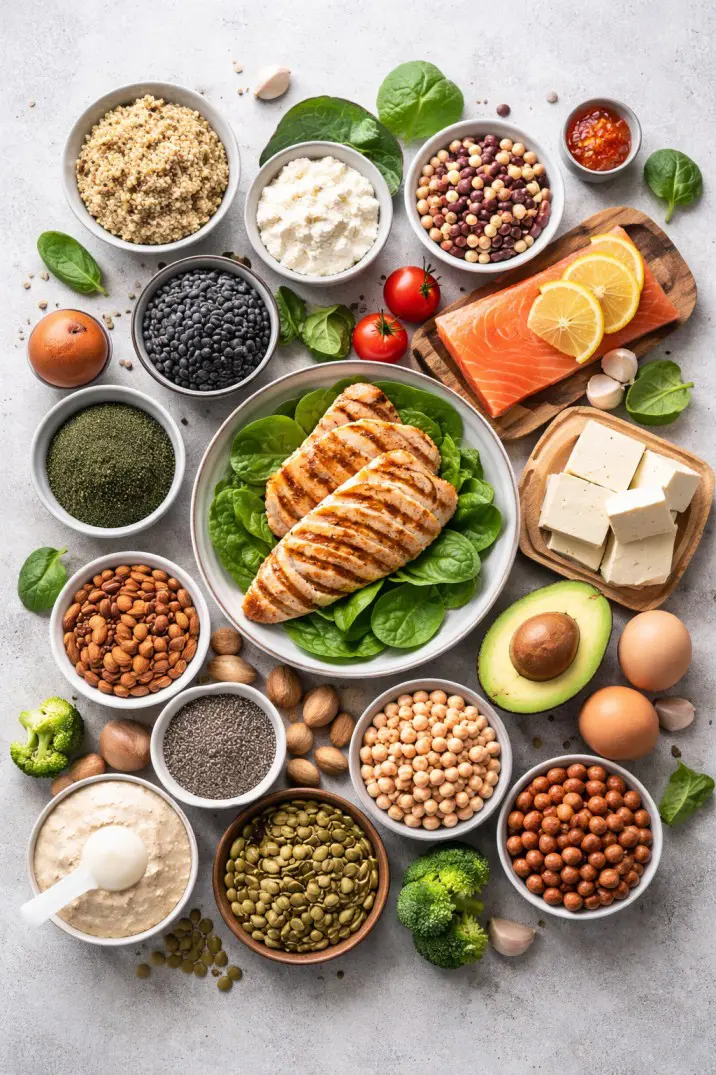
Amino acids are found abundantly in many foods. The richest sources vary based on protein type:
Animal‑Based Foods (Complete Proteins)
These contain all nine essential amino acids and are highly bioavailable:
-
Eggs – One of the best complete protein sources.
-
Poultry (Chicken & Turkey) – Excellent source of BCAAs.
-
Fish (Salmon, Tuna) – High in essential amino acids and heart‑healthy fats.
-
Dairy (Milk, Yogurt, Cheese) – Rich in leucine and lysine.
Plant‑Based Sources
While some plant proteins are “incomplete” alone, a varied plant diet easily meets amino acid needs:
-
Quinoa & Buckwheat – Complete plant proteins.
-
Soy Products (Tofu, Tempeh, Edamame) – Provide all essential aminos.
-
Legumes (Beans, Lentils, Chickpeas) – Rich in lysine and arginine.
-
Nuts & Seeds (Pumpkin seeds, chia, hemp) – Supply key amino acids and nutrients.
Combining grains with legumes (e.g., rice and beans) also creates a complete amino acid profile.
How to Get Enough Amino Acids Daily
Here are practical tips:
- Include protein at every meal – Helps spread amino acid intake throughout the day.
- Mix plant proteins smartly – Combine foods like grains + beans or seeds + legumes to complete amino profiles.
- Focus on whole food sources – Animal proteins offer complete amino patterns, but plant combinations can match them.
- Supplements – Essential amino acid or BCAA supplements are available, but whole foods are typically sufficient for most people.
Signs of Amino Acid Deficiency
Not getting enough amino acids can result in:
-
Muscle loss or weakness
-
Fatigue and low energy
-
Poor immune response
-
Slow healing
-
Mood changes
Balanced protein intake usually prevents deficiency.
Frequently Asked Questions
Do vegetables have amino acids?
Yes, all plant foods contain amino acids, but some are lower in certain essential ones. Eating a variety ensures full coverage.
Can amino acids help with sleep?
Tryptophan, an essential amino acid, helps produce serotonin and melatonin, which can support sleep regulation.
Is animal or plant protein better?
Animal proteins naturally contain complete amino acid profiles, but plant proteins can be combined throughout the day to meet needs.
Conclusion
Amino acids are foundational to health - from building muscles and boosting immunity to supporting mental well‑being and digestion.
You can get all the essential amino acids you need from a balanced diet that includes both complete and combined plant proteins. By understanding food sources and strategic intake, you can optimize your body’s performance and overall wellness.
Was this article helpful?
Nutrition Facts
Vitamin C: Foods, Functions, How Much Do You Need a Day, and More
Nutrition Facts
Black Seed Oil Benefits, Nutrition, and How to Use
Nutrition Facts
Dates Benefits, Nutrition, and Best Ways to Eat Them
Nutrition Facts
Plant-Based High Protein Foods for Vegans and Vegetarians
Nutrition Facts
Top Foods High in Estrogen

Nutrition Facts