

How to Make Orange Juice: Fresh and Healthy
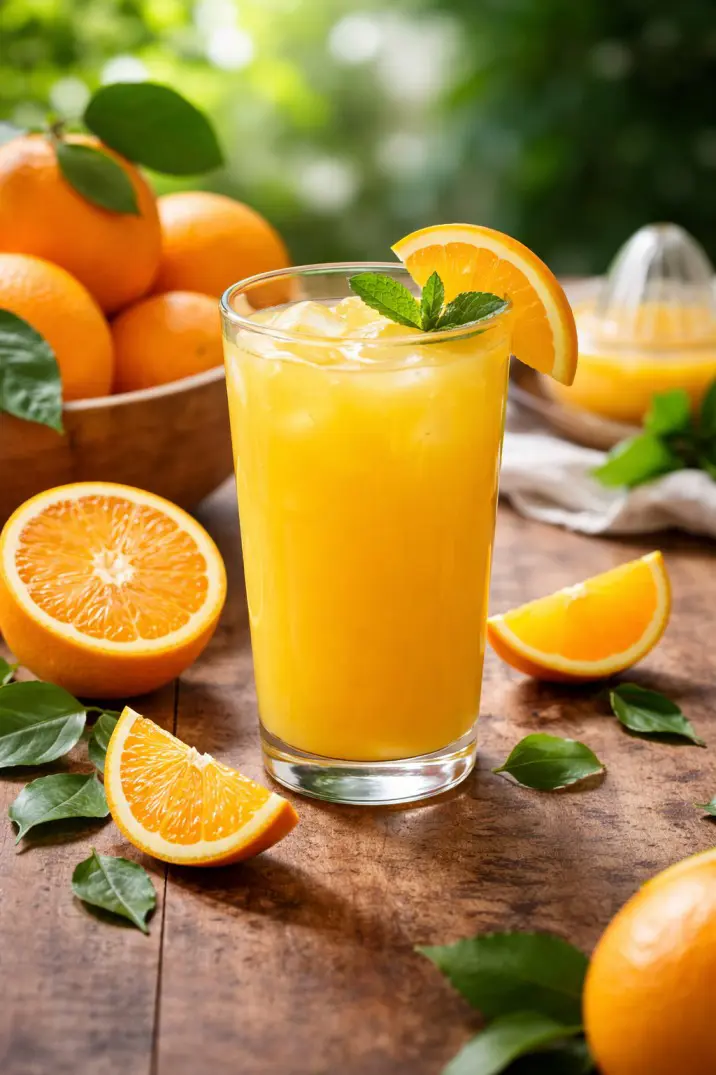
There’s nothing quite like a glass of freshly squeezed orange juice. Bursting with vitamin C, antioxidants, and a refreshing taste, homemade orange juice is a healthy alternative to store-bought options loaded with sugar and preservatives.
Making orange juice at home is simple, and it allows you to control sweetness, texture, and even mix in other flavors for a unique twist.
Choosing the Right Oranges
The quality of your orange juice starts with the fruit itself. Here’s what to consider:
-
Variety: Navel oranges are sweet and seedless, perfect for juicing. Valencia oranges have a slightly tangier flavor and are ideal for a refreshing summer drink. Blood oranges offer a striking color and unique taste.
-
Ripeness: Look for oranges that feel heavy for their size - they’re juicier. The skin should be firm, smooth, and vibrant in color.
-
Organic vs. Conventional: Organic oranges reduce exposure to pesticides and enhance the natural flavor of your juice.
Tip: Rolling the orange on a countertop before cutting helps release more juice.
Essential Equipment for Juicing
While making orange juice doesn’t require fancy tools, having the right equipment ensures efficiency and quality:
-
Manual Juicer: Great for small batches; easy to clean.
-
Electric Juicer: Ideal for larger quantities and faster extraction.
-
Blender: Can be used to make pulp-rich juice; strain with a fine mesh for a smooth texture.
-
Citrus Reamer: Simple, handheld, and perfect for fresh squeezing.
Step-by-Step Guides
1. Prepare the Oranges
Rinse the oranges under cold water. Roll each orange gently on a countertop to soften the pulp, making juicing easier. Slice the oranges in half horizontally.
2. Juice the Oranges
-
Manual Juicer: Press each orange half onto the juicer and twist.
-
Electric Juicer: Feed the halves through the chute and let the machine extract the juice.
-
Blender Method: Peel the oranges, remove seeds, and blend the segments. Strain if a smoother juice is desired.
3. Strain (Optional)
For a smoother, pulp-free juice, pour through a fine-mesh sieve or cheesecloth. If you love pulp, skip this step for a naturally textured drink.
4. Sweeten or Enhance
Fresh oranges are naturally sweet, but you can enhance the flavor:
-
Add a teaspoon of honey or maple syrup.
-
Mix in a pinch of cinnamon or a splash of ginger for a unique twist.
-
A few mint leaves can make your juice extra refreshing.
5. Chill and Serve
Serve immediately for the freshest taste. If storing, keep in an airtight container in the fridge for up to 48 hours. Stir before serving as natural separation may occur.
Health Benefits of Fresh Orange Juice
Making orange juice at home is not just about flavor—it’s packed with nutrients:
-
Rich in Vitamin C: Supports immune health and skin vitality.
-
Antioxidants: Protects cells from oxidative stress.
-
Potassium: Helps regulate blood pressure.
-
Natural Energy Boost: A healthy alternative to caffeinated drinks.
Creative Twists for Orange Juice
Making orange juice at home allows endless variations:
-
Orange-Carrot Juice: Add carrots for an extra nutrient boost.
-
Citrus Medley: Mix oranges with grapefruit, lemon, or lime for a tangy flavor.
-
Smoothie Version: Blend with yogurt or banana for a creamy, breakfast-friendly drink.
-
Sparkling Orange Juice: Mix with sparkling water for a refreshing, bubbly treat.
Storage Tips for Maximum Freshness
Fresh juice can spoil quickly, so keep these tips in mind:
-
Store in a clean, airtight glass container.
-
Keep refrigerated at all times.
-
Consume within 24–48 hours for the best taste and nutritional value.
-
Avoid metal containers as they can alter the flavor.
Common Mistakes to Avoid
Even simple recipes can have pitfalls. Avoid these for perfect juice every time:
-
Using oranges that are underripe or dry.
-
Over-blending, which can create a bitter taste.
-
Forgetting to wash the fruit properly.
-
Storing juice too long; nutrients degrade after 48 hours.
Orange Juice vs. Store-Bought Juice
Many store-bought juices may seem convenient, but they often come with hidden downsides:
-
Added Sugar: Many brands contain high sugar levels.
-
Preservatives: Extend shelf life but may reduce nutritional quality.
-
Pasteurization: Heat processing can degrade some vitamins.
By making juice at home, you control sweetness, freshness, and nutrient content.
Final Thoughts
Making orange juice at home is quick, rewarding, and far healthier than store-bought alternatives. From choosing ripe oranges to experimenting with flavors, the process is both creative and nourishing. With each glass, you enjoy a burst of freshness, natural sweetness, and vital nutrients—perfect for breakfast, a snack, or even a healthy boost during the day.
Was this article helpful?

Healthy Eating
Homemade Lemonade Recipe: Fresh, Easy & Perfectly Balanced
Healthy Eating
Homemade Ranch Seasoning Recipe
Healthy Eating
Homemade Pizza Dough Recipe: Easy, Soft & Crispy
Healthy Eating
Homemade Rice Crispy Treats: A Sweet and Crunchy Delight

Healthy Eating
How to Make Homemade Garlic Bread

Healthy Eating