

Homemade Pizza Dough Recipe: Easy, Soft & Crispy
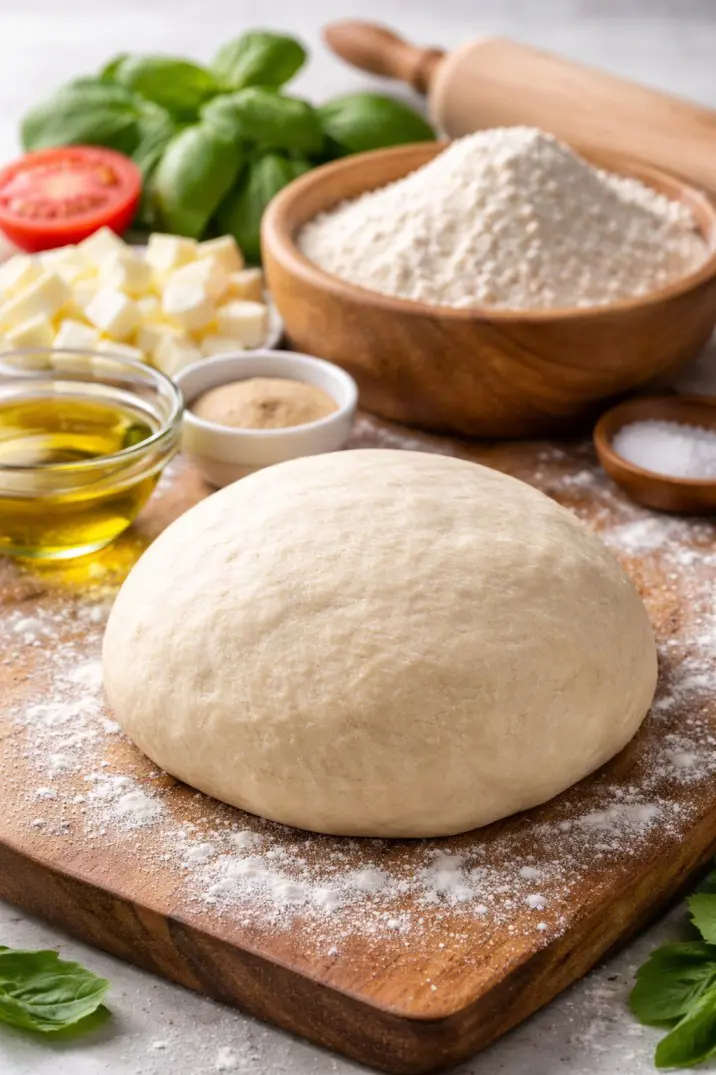
Making your own dough for Pizza is one of the most rewarding kitchen skills you can develop. Store-bought dough may be convenient, but it often lacks the flavor, texture, and freshness that homemade dough delivers.
When you prepare it yourself, you control everything - from the chewiness of the crust to the crispiness of the base.
Homemade pizza dough is surprisingly simple and requires just a handful of pantry staples. Once you master it, you can customize it for thin crust, thick crust, or even stuffed edges.
Ingredients You’ll Need
A great pizza dough starts with a few essential ingredients:
-
Flour (all-purpose or bread flour)
-
Warm water
-
Yeast (active dry or instant)
-
Salt
-
Sugar
-
Olive oil
Each ingredient plays a role. Flour provides structure, yeast creates the airy texture, and olive oil adds flavor and softness. Sugar helps activate the yeast, while salt enhances the overall taste.
Step-by-Step Dough Preparation
1. Activate the Yeast
In a bowl, combine warm water and sugar, then sprinkle in the Yeast. Let it sit for about 5–10 minutes until it becomes foamy. This step ensures your yeast is active and ready to work.
2. Mix the Dough
Add flour, salt, and olive oil to the yeast mixture. Stir until a rough dough forms. At this stage, the dough may look sticky—that’s perfectly normal.
3. Knead the Dough
Transfer the dough to a floured surface and knead for 8–10 minutes. Proper kneading develops gluten, which gives your pizza its chewy texture. The dough should become smooth and elastic.
4. First Rise
Place the dough in a lightly oiled bowl, cover it, and let it rise in a warm place for 1–2 hours. It should double in size.
The Science Behind Perfect Dough
Understanding the basics can help you improve your results. Yeast feeds on sugar and releases carbon dioxide, creating bubbles that make the dough rise. Gluten, formed during kneading, traps these gases and gives the dough structure.
Temperature also matters. Warm environments speed up rising, while cooler temperatures slow it down and allow more flavor to develop.
Shaping and Second Rise
Once the dough has risen:
-
Punch it down gently to release excess air
-
Divide into portions (if making multiple pizzas)
-
Shape into balls and let them rest for 15–20 minutes
This resting period makes the dough easier to stretch without tearing.
Rolling vs. Stretching: What’s Better?
Many beginners use a rolling pin, but stretching the dough by hand is preferred. Stretching preserves air bubbles, giving you a lighter crust.
To stretch:
-
Place the dough on a floured surface
-
Use your fingers to press outward from the center
-
Gently lift and rotate the dough
Avoid overworking it, as this can make the crust dense.
Baking Tips for the Perfect Crust
To achieve that classic pizzeria-style crust:
-
Preheat your oven to the highest temperature (usually 230–250°C / 450–480°F)
-
Use a pizza stone or baking tray
-
Bake for 10–15 minutes until golden and crisp
A hot oven ensures a quick rise and a beautifully browned crust.
Flavor Variations to Try
Once you’ve mastered the basic dough, experiment with flavors:
-
Add herbs like oregano or basil to the dough
-
Mix in garlic powder for extra aroma
-
Use whole wheat flour for a healthier version
You can even brush the crust edges with olive oil or butter before baking for a richer finish.
Common Mistakes to Avoid
Overloading Flour
Too much flour can make your dough stiff and dry. Aim for a soft, slightly tacky texture.
Skipping Kneading
Insufficient kneading leads to weak gluten, resulting in flat and dense pizza.
Not Letting It Rise Enough
Patience is key. Rushing the rise will compromise texture and flavor.
Using Cold Ingredients
Cold water slows yeast activity. Always use warm (not hot) water.
Can You Store Pizza Dough?
Yes, Homemade pizza dough stores well:
-
Refrigerator: Keep for up to 3 days
-
Freezer: Store for up to 3 months
Before using, let the dough come to room temperature for easier handling.
Final Thoughts
Creating homemade pizza dough is more than just a recipe—it’s a skill that improves with practice. The more you make it, the better you’ll understand texture, timing, and flavor balance.
Whether you’re making a classic margherita or experimenting with unique toppings, a well-made dough is the foundation of every great pizza. Once you experience the taste of fresh, homemade crust, it’s hard to go back to store-bought options.
So roll up your sleeves, dust your counter with flour, and start crafting your perfect pizza from scratch.
Was this article helpful?

Healthy Eating
Homemade Lemonade Recipe: Fresh, Easy & Perfectly Balanced
Healthy Eating
Homemade Ranch Seasoning Recipe
Healthy Eating
Homemade Rice Crispy Treats: A Sweet and Crunchy Delight
Healthy Eating
How to Make Homemade Garlic Bread

Healthy Eating
Homemade Pancakes Recipe: Easy, Fluffy & Delicious
Healthy Eating