
How Long Does Chicken Last in the Freezer? A Complete Storage Guide
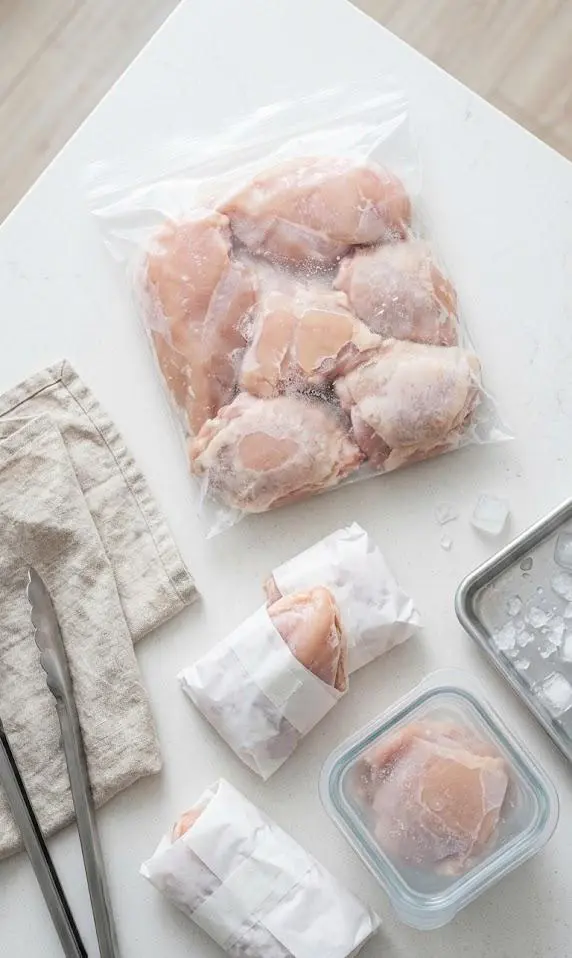
Freezing chicken is one of the most effective ways to extend its shelf life while preserving its flavor and nutritional value. Whether you buy chicken in bulk, prepare meals ahead of time, or simply want to avoid food waste, freezing is a reliable method to keep poultry safe for longer periods.
When chicken is stored in the freezer at 0°F (-18°C) or lower, bacterial growth slows dramatically. This allows the chicken to remain safe to eat for months. However, while freezing keeps food safe indefinitely, the quality, texture, and taste can slowly decline over time.
Understanding how long chicken lasts in the freezer helps ensure that you enjoy the best flavor and avoid unnecessary waste.
How Long Raw Chicken Lasts in the Freezer
Raw chicken can be safely frozen for an extended period, but the recommended storage time depends on the type of cut.
Here are general guidelines:
-
Whole chicken: up to 12 months
-
Chicken breasts: up to 9 months
-
Chicken thighs or drumsticks: up to 6–9 months
-
Ground chicken: about 3–4 months
-
Chicken giblets: around 3–4 months
Whole chickens typically last longer because the meat is less exposed to air compared to cut pieces. Ground chicken, on the other hand, has more surface area, which can lead to faster quality loss in the freezer.
If stored properly in airtight packaging, raw chicken can stay safe for even longer, but its taste and texture may not be as good.
How Long Cooked Chicken Lasts in the Freezer
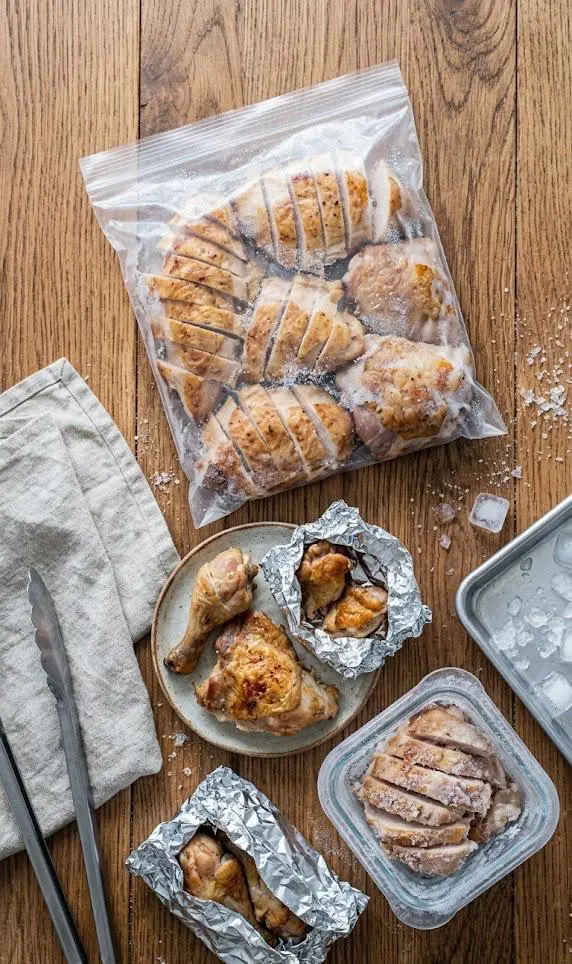
Cooked chicken can also be frozen successfully and stored for later meals. This is a convenient way to preserve leftovers or prepare meals in advance.
Recommended freezing times for cooked chicken include:
-
Cooked chicken pieces: about 4 months
-
Cooked chicken in soups or stews: 2–3 months
-
Shredded or diced cooked chicken: around 4 months
-
Chicken casseroles: about 3–4 months
Cooked chicken generally has a shorter freezer life compared to raw chicken because the cooking process changes the texture and moisture content of the meat.
Still, when stored correctly, frozen cooked chicken remains a convenient ingredient for quick meals.
Best Practices for Freezing Chicken Properly
Proper packaging and preparation can make a big difference in how long chicken stays fresh in the freezer. Poor storage may lead to freezer burn, which affects flavor and texture.
Follow these tips to freeze chicken effectively:
1. Use Airtight Packaging
Wrap chicken tightly in freezer bags, vacuum-sealed bags, or heavy-duty plastic wrap. Removing as much air as possible helps maintain quality.
2. Label and Date Everything
Always write the freezing date on the package. This makes it easier to track how long the chicken has been stored.
3. Freeze Chicken Quickly
Place chicken in the coldest part of your freezer so it freezes quickly. Rapid freezing helps preserve texture and moisture.
4. Portion Before Freezing
Divide chicken into meal-sized portions before freezing. This makes it easier to thaw only what you need.
These small steps can significantly extend the quality of frozen chicken.
Signs Frozen Chicken May Have Gone Bad
Even though frozen chicken stays safe for a long time, poor storage or very long freezing periods can reduce quality. Here are some signs that frozen chicken may no longer be good to use.
Freezer Burn
If the chicken has dry, grayish, or white patches, it may have freezer burn. It’s still safe to eat but may taste dry or bland.
Unpleasant Smell After Thawing
Fresh chicken should have little to no smell. A sour or strong odor may indicate spoilage.
Texture Changes
If the chicken feels slimy or unusually sticky after thawing, it is best to discard it.
Color Changes
Darkened or dull meat may suggest that the quality has declined significantly.
When in doubt, it is safer to throw the chicken away rather than risk foodborne illness.
Safe Methods for Thawing Frozen Chicken
Thawing chicken properly is just as important as freezing it correctly. Improper thawing can allow harmful bacteria to grow.
Here are the safest thawing methods:
Refrigerator Thawing
Place the frozen chicken in the refrigerator and allow it to thaw slowly. This method takes longer but keeps the chicken at a safe temperature.
Cold Water Thawing
Seal the chicken in a leak-proof bag and submerge it in cold water. Change the water every 30 minutes to maintain a safe temperature.
Microwave Thawing
Microwaves can thaw chicken quickly, but the meat should be cooked immediately afterward to prevent bacterial growth.
Avoid thawing chicken at room temperature, as this can encourage bacteria to multiply.
Tips to Maintain Quality When Freezing Chicken
To get the best results from frozen chicken, consider a few extra tips that help maintain flavor and texture.
-
Freeze chicken as soon as possible after purchasing it.
-
Remove store packaging if it’s not airtight.
-
Double-wrap chicken for longer storage.
-
Avoid repeatedly thawing and refreezing chicken.
These practices help ensure that your frozen chicken tastes fresh even months later.
Final Thoughts
Chicken can last a surprisingly long time in the freezer when stored correctly. Raw chicken can remain in good condition for several months, while cooked chicken typically keeps well for up to four months. Proper packaging, labeling, and safe thawing methods all play a crucial role in maintaining quality.
By understanding the recommended storage times and following good freezing practices, you can safely keep chicken on hand for future meals while reducing food waste. Whether you're preparing weekly meal plans or stocking up during grocery trips, freezing chicken is a convenient and reliable solution for long-term storage.