

Can You Eat Sweet Potato Skin? Benefits, Tips & Recipes
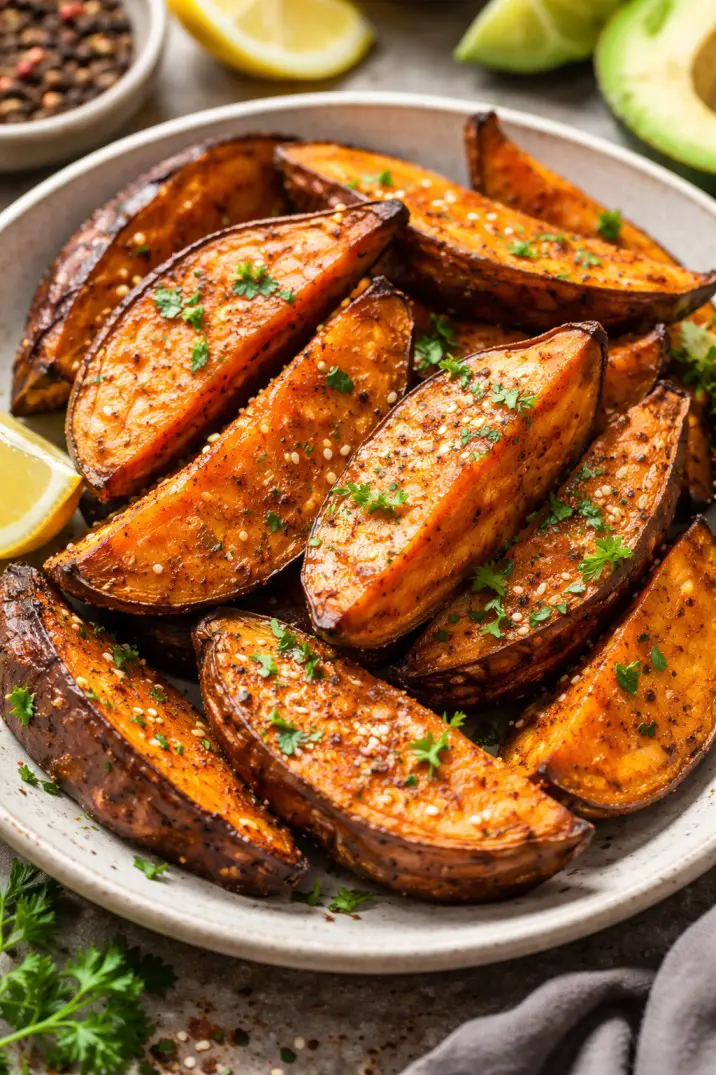
When we think about sweet potatoes, most of us focus on the soft, orange flesh inside. But the skin is often overlooked - even though it’s edible and full of nutrients.
Instead of tossing it away, learning how to enjoy the skin can add flavor, texture, and a nutritional boost to your meals. Let’s explore how sweet potato skin can enhance both your dishes and your health.
Why Sweet Potato Skin is Beneficial
The skin of sweet potatoes is a nutritional powerhouse. While most people focus on the orange flesh, the skin contains:
-
Dietary Fiber: Promotes healthy digestion and keeps you full longer.
-
Vitamins & Minerals: Rich in vitamin C, B vitamins, potassium, and manganese.
-
Antioxidants: Contains phenolic compounds that help fight oxidative stress and inflammation.
-
Low in Calories: Adds bulk and nutrients without extra calories.
Eating the skin along with the flesh ensures you get the maximum health benefits of the sweet potato.
Is It Safe to Eat Sweet Potato Skin?
Yes, sweet potato skin is safe to eat, but there are a few considerations:
-
Organic vs. Non-Organic: Non-organic sweet potatoes may have pesticide residues on the skin. Washing thoroughly or peeling if necessary is recommended.
-
Browning and Sprouting: Avoid sweet potatoes with dark spots, mold, or sprouts, as they may indicate spoilage.
-
Cooking Method: Baking, roasting, or boiling sweet potatoes makes the skin soft and easier to digest. Raw sweet potato skin is edible but can be tough.
Preparing Sweet Potatoes with Skin
To enjoy sweet potato skin safely and deliciously, follow these preparation tips:
-
Wash Thoroughly: Use a vegetable brush to remove dirt and potential pesticides.
-
Scrub Gently: Avoid peeling too much, as much of the fiber and nutrients are in the skin.
-
Cut Off Damaged Areas: Remove any bruised or dark spots to ensure freshness.
-
Cook Properly: Baking, steaming, or roasting enhances flavor and makes the skin tender.
Delicious Ways to Eat Sweet Potato Skin
Eating sweet potato skin doesn’t have to be boring. Here are some creative ideas:
1. Roasted Sweet Potato Wedges
Cut sweet potatoes into wedges, season with olive oil, salt, pepper, and paprika, and roast at 425°F (220°C) for 25–30 minutes. Leave the skin on for extra fiber and a crispy texture.
2. Sweet Potato Skins as Snacks
Scoop out a portion of baked sweet potatoes and use the skins like mini bowls. Fill them with black beans, corn, avocado, or cheese for a healthy snack or appetizer.
3. Mashed Sweet Potatoes with Skin
Boil sweet potatoes with skin, then mash them with butter or olive oil. The skin adds color, fiber, and subtle earthiness to your dish.
4. Sweet Potato Soup
Cook sweet potatoes with skin in broth, blend until smooth, and enjoy a creamy soup. The skin adds an extra layer of nutrients without changing the flavor significantly.
Nutritional Comparison: Skin vs. Flesh
-
Flesh: Rich in beta-carotene, vitamin A, and natural sugars.
-
Skin: High in fiber, antioxidants, and minerals.
By eating both, you maximize the health benefits, including better blood sugar control, improved gut health, and stronger immunity.
Tips for Cooking Sweet Potato Skin
-
Avoid Overcooking: Overcooked skin may become too tough or chewy.
-
Use Healthy Fats: Drizzle olive oil or avocado oil to improve absorption of fat-soluble vitamins.
-
Experiment with Spices: Cinnamon, cumin, paprika, or garlic powder can enhance the flavor of sweet potato skin.
-
Pair with Protein: Serve roasted sweet potato wedges with chicken, fish, or tofu for a balanced meal.
Sweet Potato Skin in Everyday Meals
-
Breakfast: Add thinly sliced roasted sweet potato with skin to omelets or breakfast bowls.
-
Lunch: Toss roasted sweet potato wedges with skin in salads for extra texture.
-
Dinner: Include whole baked sweet potatoes with skin as a side dish for roasted meats or tofu.
-
Snacks: Sweet potato chips made from thinly sliced skin-on sweet potatoes can be baked or air-fried for a crunchy snack.
Potential Considerations
While sweet potato skin is generally safe and nutritious, some people may experience mild digestive discomfort due to the fiber content. Start with small portions if you are not used to eating a lot of fiber. Also, avoid consuming sweet potatoes that are spoiled or have moldy skin.
Conclusion
Sweet potato skin is completely edible and highly nutritious, offering fiber, antioxidants, and minerals that complement the flesh. By properly washing, cooking, and seasoning sweet potatoes, you can enjoy the skin in a variety of delicious ways, from roasted wedges to soups and stuffed snacks.
Next time you cook sweet potatoes, don’t peel away the goodness - embrace the skin! Eating sweet potato skin is not just safe; it’s a smart choice for flavor, nutrition, and texture.
Was this article helpful?

Healthy Eating
Homemade Lemonade Recipe: Fresh, Easy & Perfectly Balanced
Healthy Eating
Homemade Ranch Seasoning Recipe
Healthy Eating
Homemade Pizza Dough Recipe: Easy, Soft & Crispy
Healthy Eating
Homemade Rice Crispy Treats: A Sweet and Crunchy Delight

Healthy Eating
How to Make Homemade Garlic Bread

Healthy Eating